
Choosing the right flagpole involves several considerations to ensure it meets your needs and complements its surroundings. From understanding the different types of flagpoles to considering the appropriate size and material, making an informed decision is essential for a lasting and impressive display of patriotism or pride.
Understanding Flagpole Types
There are primarily three types of flagpoles: telescopic, sectional, and one-piece. Telescopic flagpoles are adjustable and easy to install, making them a popular choice for residential use. Sectional flagpoles come in multiple pieces that fit together, offering a balance of convenience and durability. One-piece flagpoles, often made of fiberglass or aluminum, provide superior strength and are ideal for commercial or high-wind locations.
Sizing and Height Considerations
The size of your flagpole should be proportional to the size of the flag you intend to fly and the surrounding landscape. As a general rule, the flagpole height should be at least as tall as the width of the building it stands in front of. Consider local regulations or community guidelines that may dictate maximum flagpole heights. When it comes to flagpole installation, it's best to let the flagpole contractors handle the work.
Material Matters
Flagpoles are commonly made from aluminum, fiberglass, or steel. Aluminum flagpoles are lightweight, rust-resistant, and cost-effective, making them a popular choice for many applications. Fiberglass flagpoles offer exceptional strength and flexibility, especially in high-wind areas. Steel flagpoles are the strongest but require more maintenance to prevent corrosion. Each material has its advantages, depending on your specific needs and environmental conditions.
Essential Flagpole Hardware
Flagpole hardware includes items like the flagpole's truck (the rotating mechanism at the top), halyard (rope used to raise and lower the flag), cleats (used to secure the halyard), and snap hooks (to attach the flag to the halyard). Investing in high-quality flagpole hardware ensures smooth operation and longevity. Regular inspection and maintenance of these components are essential to prevent wear and tear.
Addressing Common Flagpole Issues
Over time, flagpoles may require repair due to weather damage, wear and tear, or accidental damage. Common flagpole repair issues include fixing a bent or broken pole, replacing damaged hardware, or addressing corrosion. Regular maintenance, such as cleaning and lubricating moving parts, can help prevent these issues. For significant damage or complex repairs, consult with professionals specializing in flagpole repair.
Enhancing Visibility with Flagpole Lighting
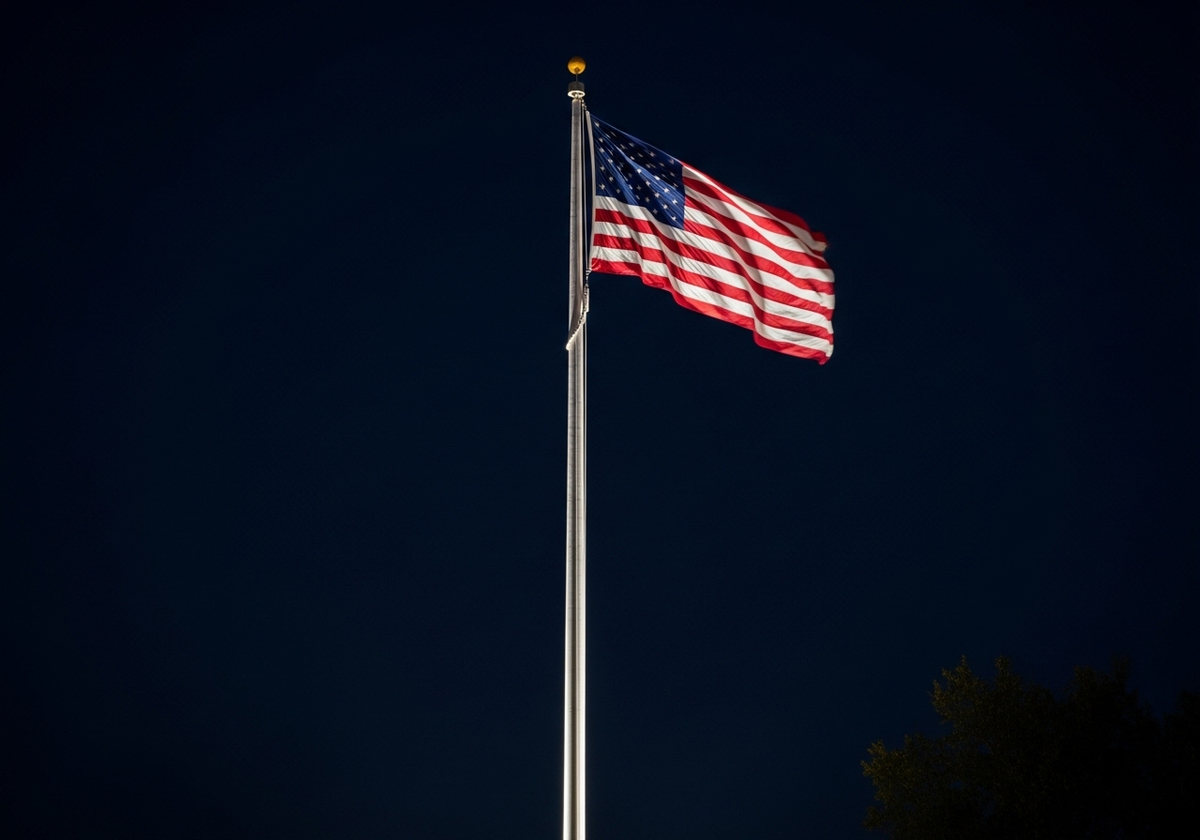
Flagpole lighting can dramatically enhance the visibility of your flag, especially at night. Options range from spotlights aimed at the flag to internal lighting systems that illuminate the entire pole. Ensure your lighting choice complies with local regulations and doesn't disturb neighbors. Proper flagpole lighting not only enhances the aesthetic appeal but also ensures your flag is always displayed with respect.
Selecting the right flagpole involves careful consideration of various factors, including the type of pole, its size, material, and necessary hardware. Regular maintenance and timely repairs are crucial for longevity, and flagpole lighting can enhance visibility. Whether you need flagpole installation, routine maintenance, or complex repairs, Old Glory Flagpole & Rescue offers comprehensive solutions to meet your needs. Contact us today for expert advice and services to keep your flag flying high. Be sure to check out our flagpole hardware options!