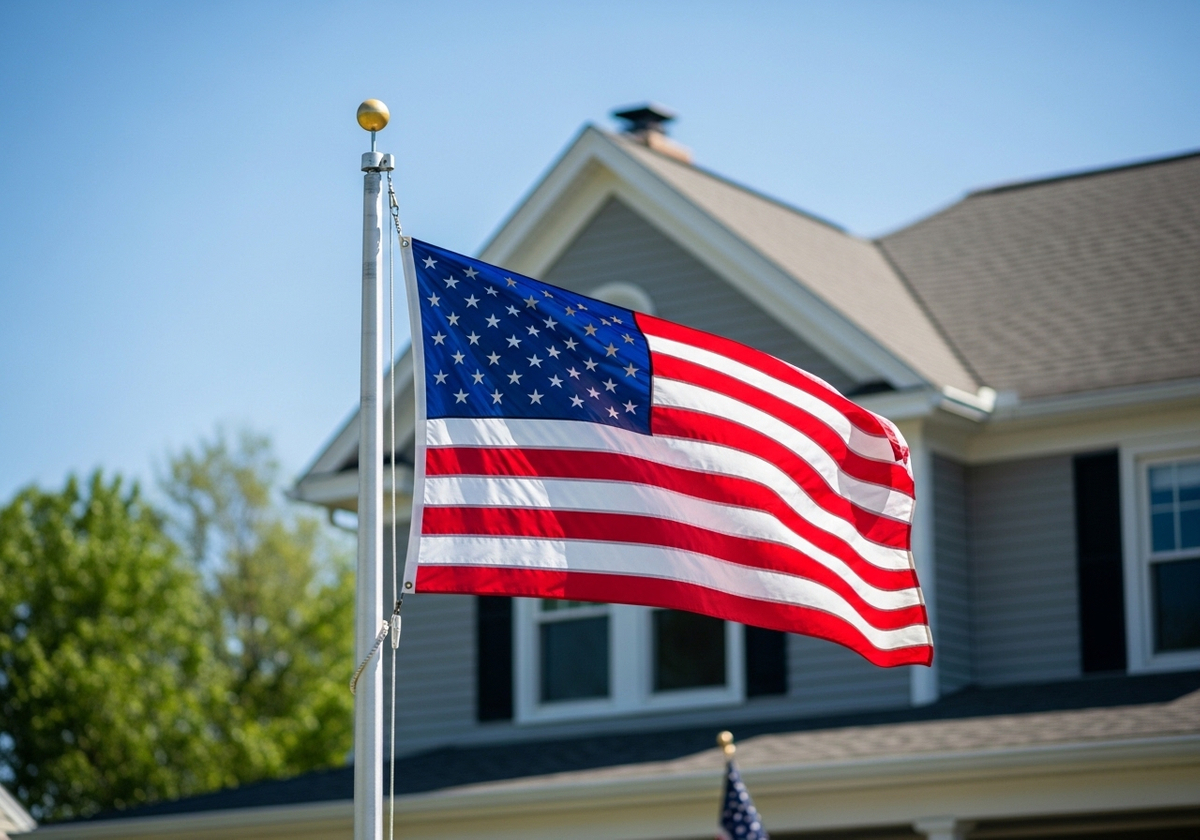
Ohio's weather can be unpredictable, swinging from scorching summers to freezing winters, often with strong winds and heavy precipitation in between. For those looking to install a flagpole, understanding how different materials withstand these conditions is crucial. Two popular choices are fiberglass and aluminum, each with distinct advantages and disadvantages when it comes to durability and longevity in the Ohio climate.
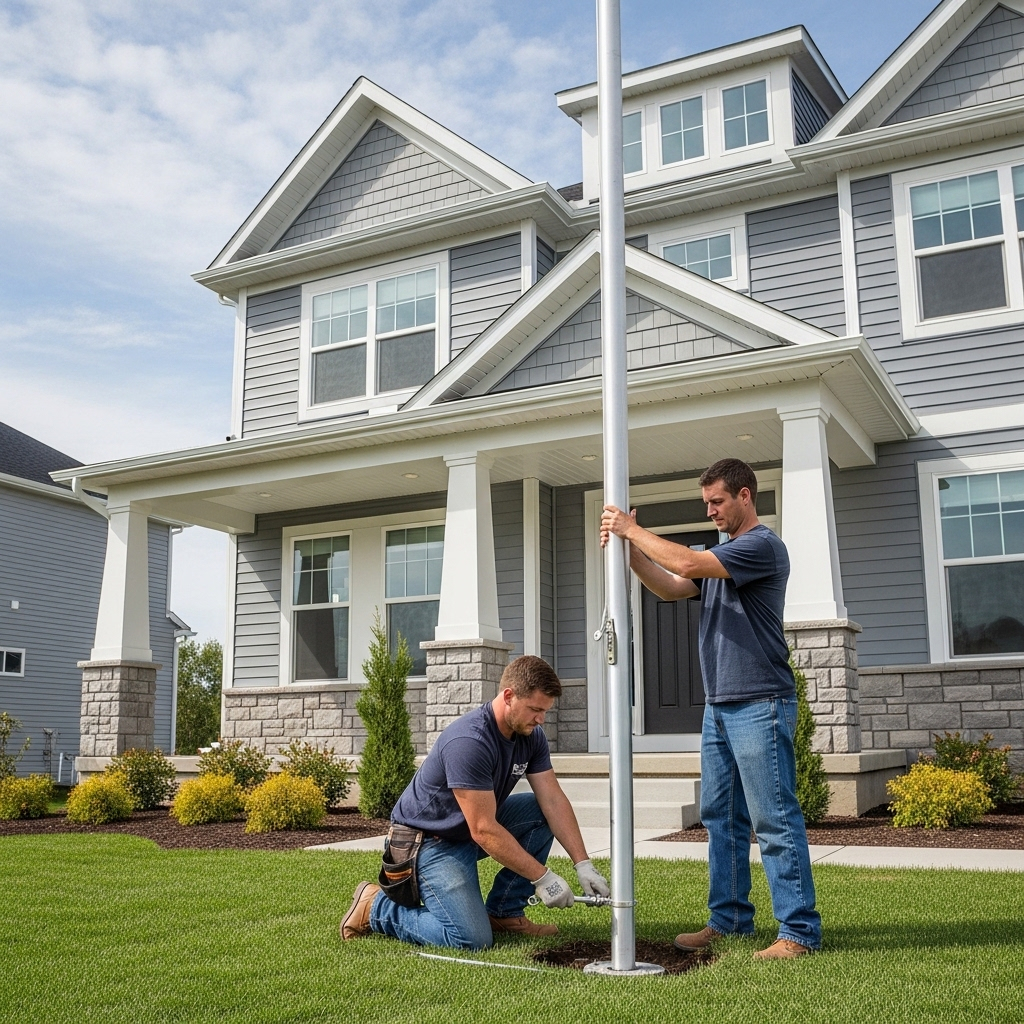
Understanding Material Properties
Before diving into a head-to-head comparison, let's briefly discuss the inherent properties of fiberglass and aluminum:
Fiberglass: A composite material made of glass fibers embedded in a resin matrix. Known for its flexibility, non-conductivity, and resistance to corrosion.
Aluminum: A lightweight metal alloy prized for its strength-to-weight ratio, rust resistance, and recyclability.
Weather Resistance Comparison
Corrosion
One of the biggest threats to flagpoles in Ohio is corrosion due to rain, snow, and road salt. Fiberglass is inherently corrosion-resistant, making it an excellent choice for areas with high humidity and exposure to de-icing salts. Aluminum, while rust-resistant, can corrode under certain conditions, especially when in contact with dissimilar metals. Anodized aluminum flagpoles offer enhanced corrosion protection.
Wind Resistance
Ohio's strong winds can put a lot of stress on a flagpole. Aluminum flagpoles generally have a higher strength-to-weight ratio than fiberglass, making them capable of withstanding higher wind speeds. However, fiberglass flagpoles are more flexible and can bend further without breaking, which can be advantageous in gusty conditions.
Temperature Fluctuations
The extreme temperature swings in Ohio can cause materials to expand and contract, potentially leading to stress and cracking. Fiberglass has a lower coefficient of thermal expansion than aluminum, meaning it expands and contracts less with temperature changes. This can reduce the risk of stress fractures and prolong the lifespan of the flagpole.
Ice and Snow
The weight of ice and snow can also be a concern, especially for taller flagpoles. Aluminum is generally stronger and can support more weight than fiberglass. However, the smooth surface of fiberglass can make it easier for ice and snow to slide off, reducing the load on the pole.
Other Considerations
Beyond weather resistance, other factors to consider include:
Cost: Aluminum flagpoles are typically less expensive than fiberglass flagpoles.
Aesthetics: Both materials can be finished in a variety of colors and styles to match your preferences.
Maintenance: Both materials require minimal maintenance, but fiberglass may require occasional cleaning to remove dirt and grime.
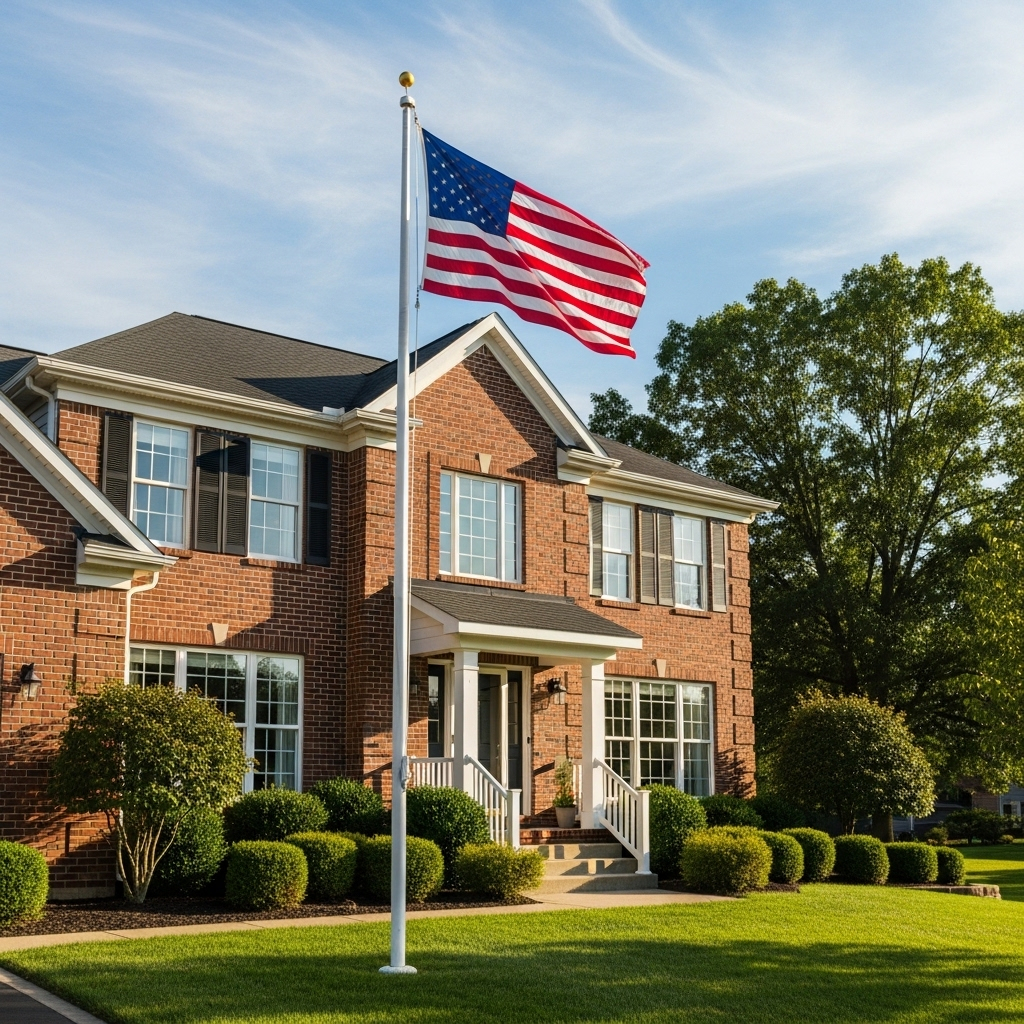
Ohio weather is unforgiving, shifting from humid summers to freezing winters that test the limits of any material. Whether you choose the whip-resistant flexibility of fiberglass or the rigid durability of aluminum, the key to longevity is proper placement and installation. At Old Glory Flagpole & Rescue, we know exactly what it takes to keep a flag flying over the Buckeye State. beyond just flag pole installation, we provide the specific flagpole parts, maintenance-free flagpole lighting, and expert flagpole repair needed to combat local weathering. Contact us today to weatherproof your patriotism